
What We Treat
At Beyond Rehab Physio, we specialise in addressing a wide range of conditions to support your health and well-being. From sporting and workplace injuries to long term chronic pain, our expert team is here to provide personalised care tailored to your needs. While this page highlights many of the conditions we treat, our expertise goes beyond what’s listed here. If you’re facing a unique health challenge, don’t hesitate to reach out – we are committed to finding the best solution for you.
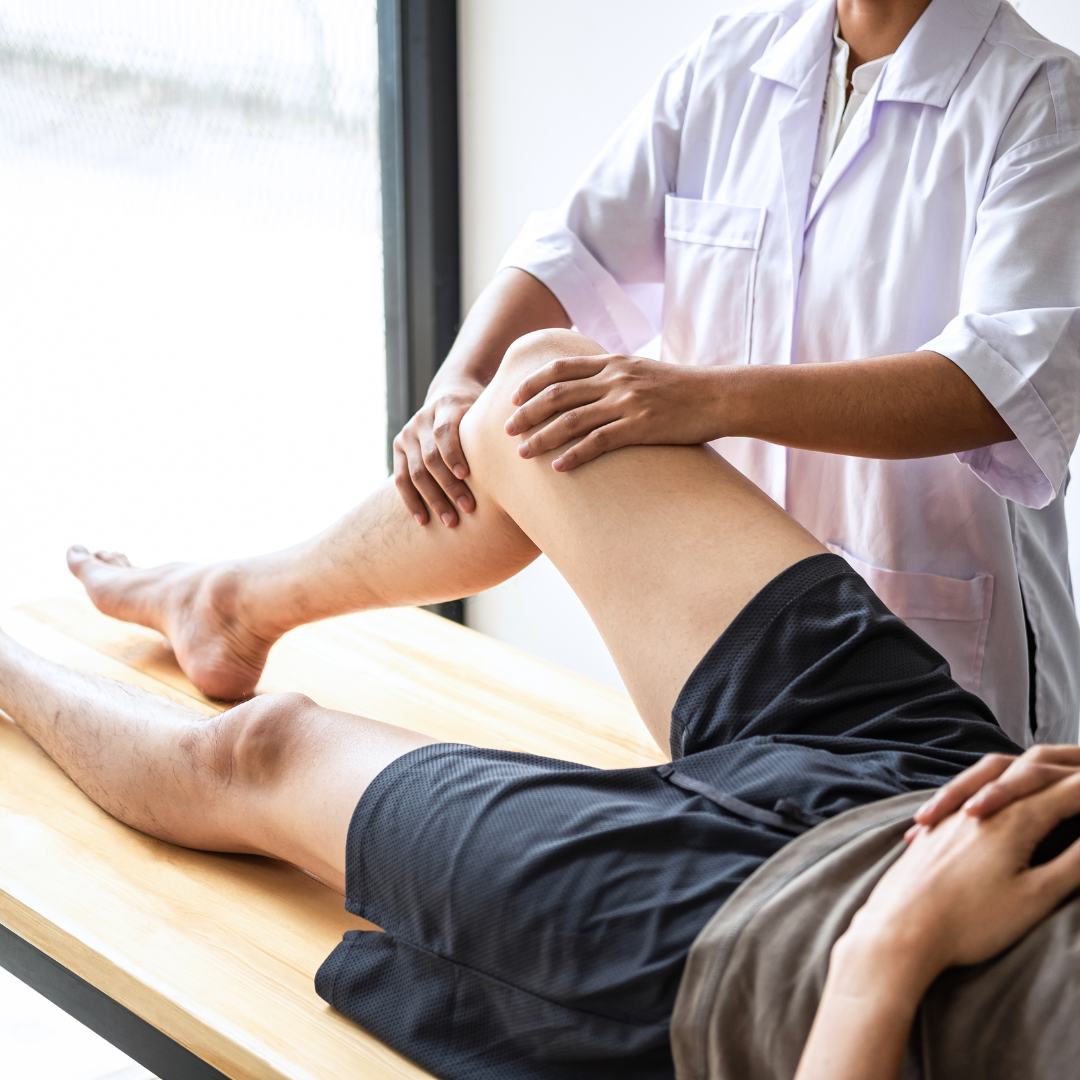
Common conditions
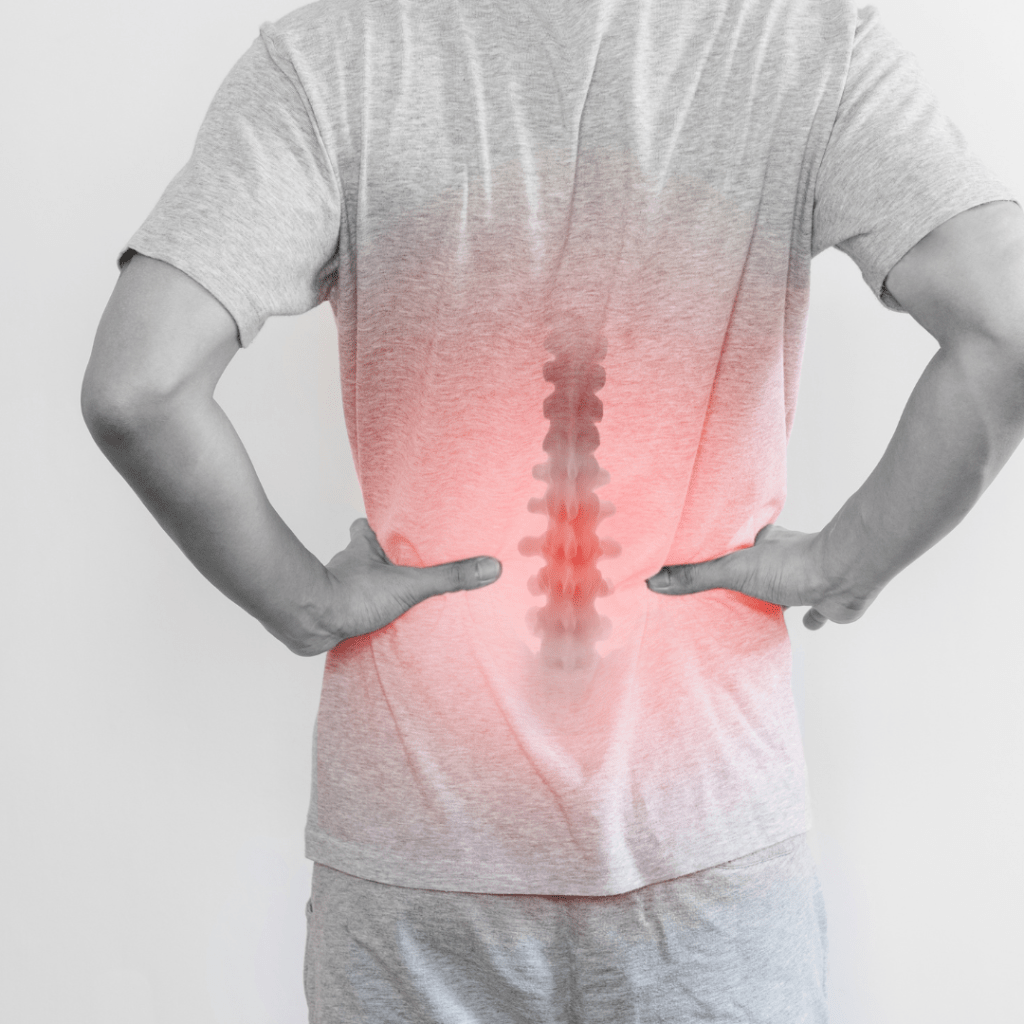
Back pain/injuries
In most cases, Physiotherapy should be the first point of call for back pain and injuries. Your therapist is able to guide you through what is happening, and set up a clear treatment plan and help rehabilitate you back to moving.
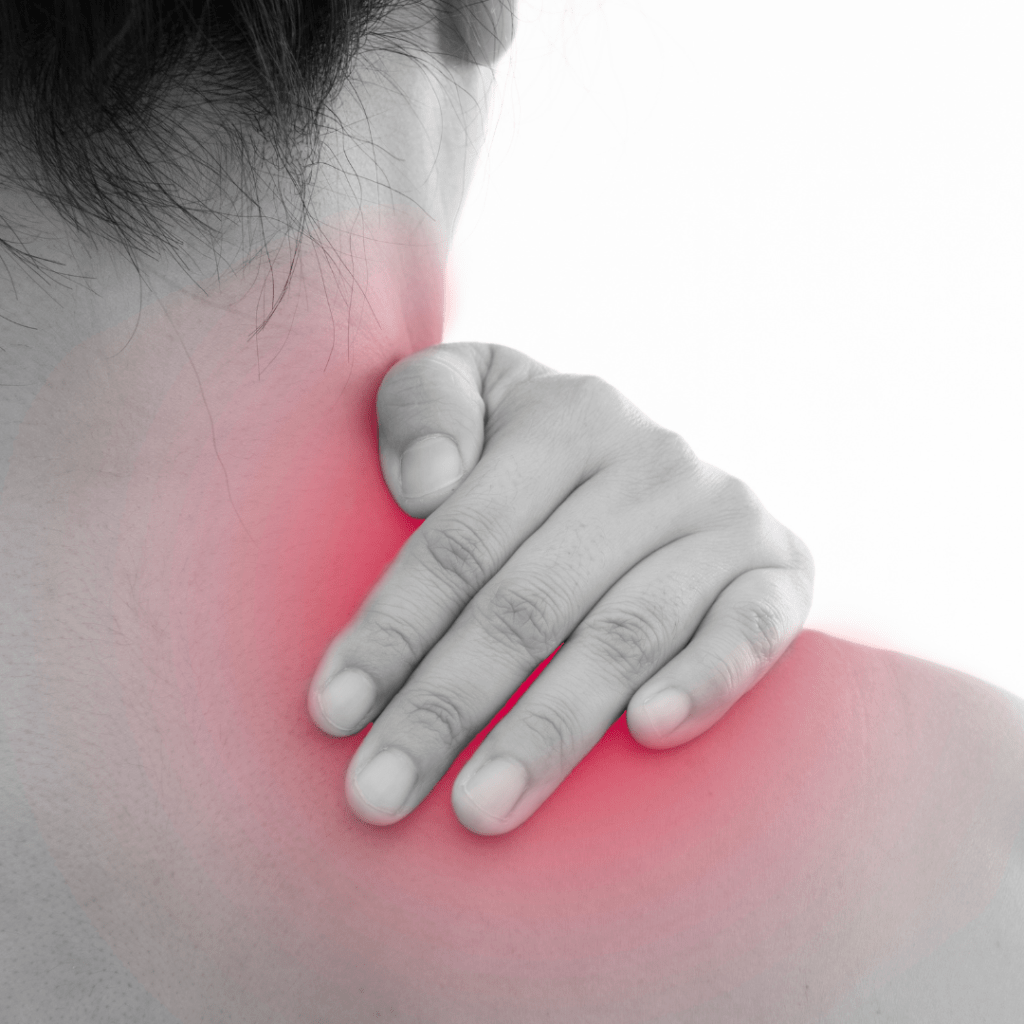
Neck Pain
Whether you’ve woken up with a sore, neck, suffered an injury, or just have pain, stiffness and tightness, physiotherapy can help.
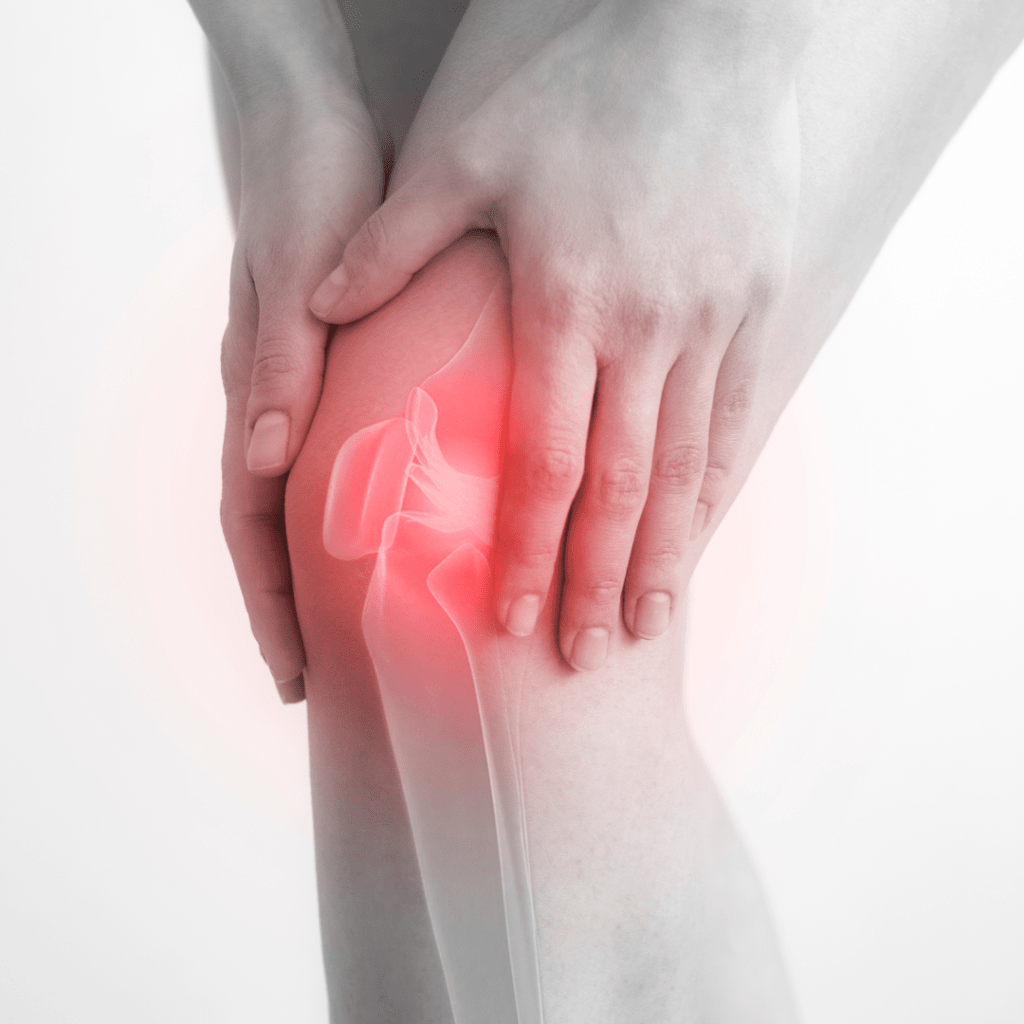
Knee pain/injuries
Knee pain and injuries comes in many shapes and forms. Physiotherapists help treat and diagnose all presentations of knee pain. Whether you think you have damaged something playing sport, or have been putting up with worsening knee pain, physiotherapy can help you.

Shoulder pain/injuries
Injuries to the shoulder can be debilitating both from a pain perspective and a functional perspective. If you are experiencing shoulder pain or have suffered an injury, we can certainly help diagnose and treat these often painful and stubborn conditions. Read more about shoulder pain.
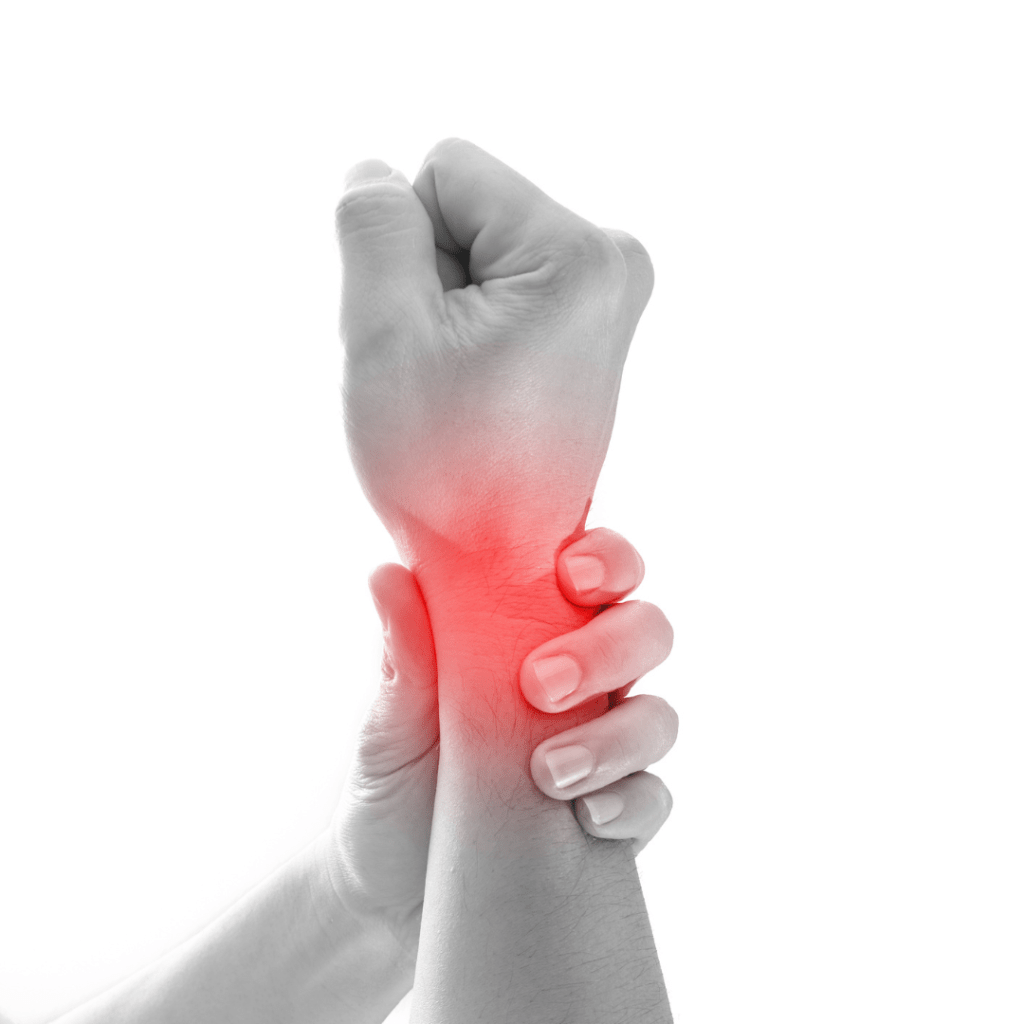
Elbow, wrist and hand pain/injuries
Elbow, wrist and hand injuries can be especially painful and can limit you doing what you love, or what you need to do for work and leisure. At Beyond Rehab, we can help assess, diagnose and treat injuries and pain in these regions.
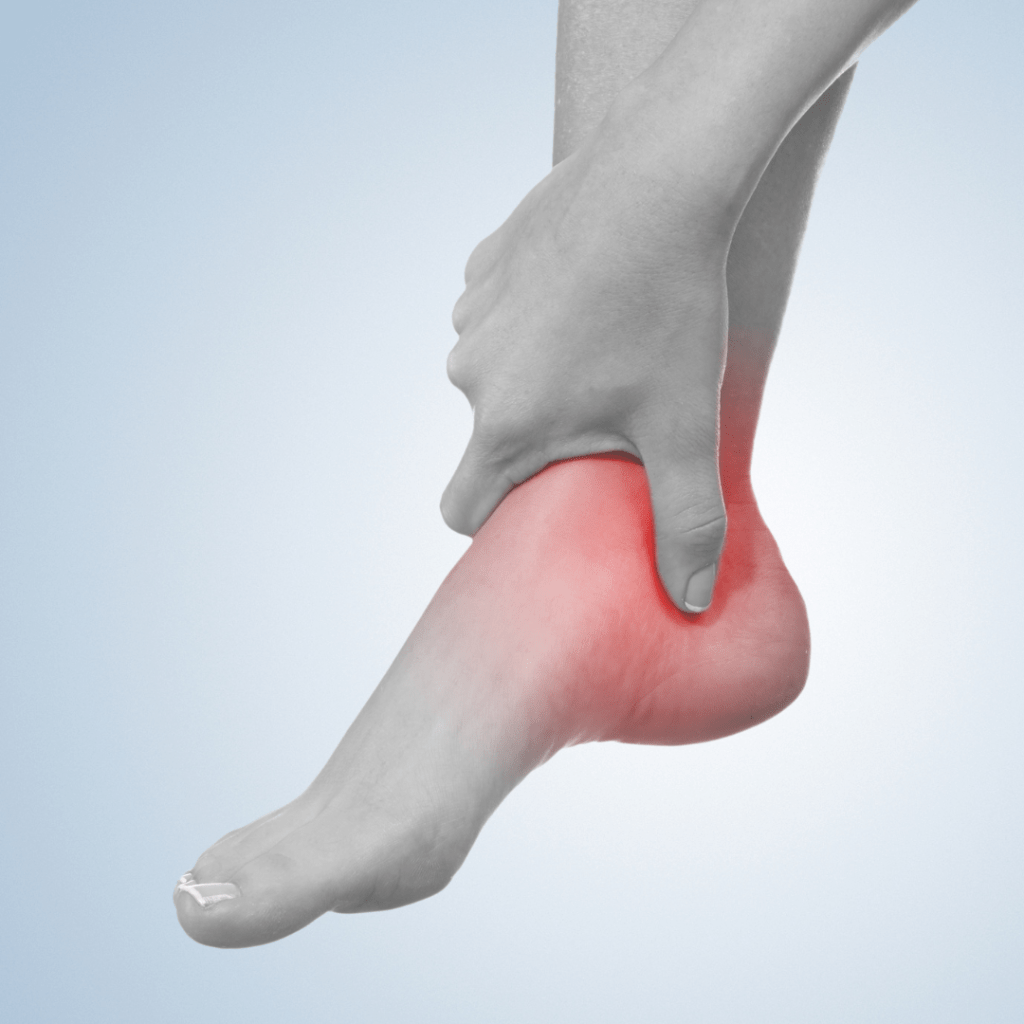
Ankle and foot injuries/pain
Foot and ankle pain can result from a range of injuries or conditions that affect movement, balance, and strength. Without proper rehabilitation, issues like weakness or instability can persist. A targeted approach involving strength, mobility, and balance training can support recovery and reduce the chance of recurrence.
More conditions we treat
Lower Back Pain
Lower back pain can often be managed effectively by improving movement behaviours, strength, and overall activity levels. Engaging in regular physical activity and learning how to move with confidence can help restore function and reduce discomfort. A structured exercise program, along with practical education on managing pain flare ups and day to day management strategies, provides long-term benefits and reduces the risk of recurrence. Our physiotherapists can guide you with a tailored program to support your back health. Read more…
Neck Pain and Strains
Neck pain is common and has many various causes. Wether your neck pain has been sustained from a sudden injury or strain, or is a more persistent long lasting pain, physiotherapy assessment and treatment plays a crucial role in restoring function and regulating pain. We also aim to address simple changes in daily habits, such as incorporating movement breaks or regular neck exercises, can have a significant impact on recovery and symptom reduction. Book a session with our physiotherapists to develop an effective plan for managing your neck pain. Read more…
Osteoarthritis
Joint stiffness and discomfort from osteoarthritis can be well managed by staying active and strengthening the muscles around the affected joint. Movement-based approaches help maintain function, while structured exercise programs support long-term joint health. Learning how to modify activities while staying engaged in meaningful movement is key to maintaining mobility and quality of life. Our physiotherapists can help design an exercise routine to keep you moving with greater ease. Read more…
Rheumatoid Arthritis
Managing rheumatoid arthritis involves balancing movement and rest while keeping joints strong and functional. Strengthening exercises, along with strategies to reduce joint stress, can help maintain independence and ease daily activities. Understanding how to tailor physical activity to individual needs allows for better symptom management and long-term well-being. Get in touch with our physiotherapists to explore movement strategies that work for you. Read more…
Rotator Cuff-Related Pain and Injuries
Rotator cuff-related shoulder discomfort can occur due to changes in strength, repetitive movements, or short term innapropriate increases in load. Strengthening the rotator cuff and surrounding muscles helps improve movement and function. Addressing movement patterns and gradually progressing activity levels supports long-term recovery. Our physiotherapists can guide you through a program tailored to your shoulder needs. Read more…
Anterior Cruciate Ligament (ACL) Injuries
Recovering from an ACL injury involves progressive rehabilitation that focuses on strength, coordination, and movement control. A structured plan helps restore knee stability and confidence, reducing the risk of re-injury. Gradual exposure to sport-specific movements ensures a safe return to activity while maintaining long-term knee health. Speak to our physiotherapists about a comprehensive rehab plan to get you back to sport and life safely. Read more…
Patellofemoral Pain Syndrome
Discomfort around the kneecap often results from movement imbalances or changes in activity levels. Strengthening the surrounding muscles, improving movement mechanics, and gradually adjusting exercise loads can help improve function. Identifying and addressing factors that contribute to symptoms supports long-term knee health. Visit our clinic to learn exercises that will support your knee function.
Lateral Epicondylalgia (Tennis Elbow)
Discomfort on the outer elbow from repetitive strain can be managed effectively by improving grip strength, modifying activity patterns, and performing targeted exercises. A structured approach helps restore function while ensuring that daily and work-related tasks can be performed with greater ease. Let our physiotherapists help you strengthen your arm and improve your ability to perform daily activities.
Carpal Tunnel Syndrome
Wrist and hand discomfort due to nerve compression can often be improved by optimizing movement and reducing strain. Simple exercises to improve nerve mobility and hand function, along with adjustments to daily activities, can relieve symptoms and support long-term hand health. Our physiotherapy team can provide tailored strategies to relieve your wrist pain and restore function.
Plantar Fasciitis
Heel pain caused by irritation of the plantar fascia can be eased by improving foot mechanics, strengthening the supporting muscles, and making small adjustments to footwear and activity levels. Consistently incorporating targeted exercises helps restore comfort and prevent flare-ups. Book an appointment to develop a plan for pain-free movement.
Achilles Tendinopathy
Pain and stiffness in the Achilles tendon often develop from overuse or movement imbalances. Gradual strengthening and load management play a key role in recovery. A progressive approach allows the tendon to adapt, ensuring better long-term resilience and function. Our physiotherapists can guide you through a safe and effective strengthening program.
Rotator Cuff Tendinopathy
Shoulder pain related to rotator cuff strain can be managed with a combination of strengthening exercises and movement retraining. Restoring muscle coordination and gradually building tolerance to load improves function and reduces discomfort. Let our physiotherapists assist you in restoring your shoulder strength and mobility.
Ankle Sprains
Ankle sprains can lead to ongoing instability if not properly rehabilitated. Strength and balance training play a key role in restoring function and preventing future injuries. Gradual reintroduction to full activity helps regain confidence in movement. Book a session to ensure your ankle heals properly and stays strong.
Multiple Sclerosis
Managing movement challenges in multiple sclerosis involves tailored exercises that enhance strength, coordination, and endurance. Staying active in a way that suits individual energy levels helps maintain mobility and independence. Gradual progression and consistency in movement strategies provide long-term benefits. Our physiotherapists can guide you through a program that suits your abilities and goals.
Fibromyalgia
Balancing activity and rest is essential for managing chronic fatigue. A gradual and structured approach to increasing movement helps prevent flare-ups while building tolerance to activity. Identifying and adjusting lifestyle factors that influence energy levels can support long-term symptom management. Book a consultation to learn how to safely build strength and energy.
Chronic Fatigue Syndrome
Managing movement challenges in multiple sclerosis involves tailored exercises that enhance strength, coordination, and endurance. Staying active in a way that suits individual energy levels helps maintain mobility and independence. Gradual progression and consistency in movement strategies provide long-term benefits. Our physiotherapists can guide you through a program that suits your abilities and goals.
Temporomandibular Joint (TMJ) Dysfunction
Jaw pain and stiffness can be alleviated through gentle movement exercises, relaxation techniques, and postural corrections. Improving coordination between jaw and neck movements can help restore normal function. Our physiotherapists can provide targeted exercises to ease TMJ discomfort.
Sciatica
Pain radiating down the leg due to nerve irritation can be managed with movement strategies that reduce compression and improve nerve mobility. Strengthening surrounding muscles supports long-term relief. Visit our clinic for expert advice on relieving sciatic pain and improving mobility.
Vertigo & Dizziness (Vestibular Rehabilitation)
Balance exercises and head movement retraining can help reduce dizziness and improve stability. A personalized approach ensures safe and effective rehabilitation. Book a session to regain balance and confidence in movement.
More services
Looking for something else?
Read more about other services we can offer to help you get back to your best.
ACL Reconstruction Surgery Rehabilitation
Recovering from ACL reconstruction surgery requires a structured rehabilitation plan to restore knee stability, movement control, and strength. The focus is on gradually increasing load tolerance, improving functional movement, and rebuilding confidence in activity. A progressive approach helps prepare for a safe return to sport or daily tasks. Book a consultation to start your recovery with a tailored program.
Rotator Cuff Repair Rehabilitation
Following rotator cuff repair surgery, a carefully guided rehabilitation process helps restore shoulder movement and function. The initial stages focus on protecting healing tissues before progressing to strengthening exercises. Gradual movement retraining allows for a return to daily tasks and, when appropriate, sports or work-related activities. Our physiotherapists can support you through every stage of recovery.
Achilles Rupture Surgery Rehabilitation
Rehabilitation following Achilles tendon surgery focuses on restoring tendon structure through appropriate loading. A progressive loading program helps the tendon regain its ability to manage daily and sport-related activities. The goal is to gradually rebuild function while minimizing the risk of re-injury. Contact us to start a structured recovery plan.
Achilles Rupture Conservative Management
Achilles ruptures are frequently managed without surgery through a structured rehabilitation program. This involves carefully graded loading, mobility exercises, and strengthening to allow optimal tendon healing. Restoring normal walking patterns and rebuilding tolerance to activity are key goals, with eventual gradual return to previous activity levels and addressing re-injury risk factors. Our physiotherapists can help you navigate the best approach for your recovery.
Gait and Mobility Training
Gait and mobility challenges can arise from various conditions, including neurological disorders, injury, or aging-related changes. Training focuses on optimising walking patterns, improving balance, and strengthening key muscles to enhance overall mobility. Learning strategies to safely navigate different environments can boost confidence and independence. Book a session to improve your movement and stability.
Functional Capacity Building in Disabilities
Individuals with disabilities often benefit from targeted training programs that build strength, coordination, and endurance for daily activities. Physiotherapy supports functional movement, helping individuals achieve greater independence and engagement in meaningful tasks. Programs are designed to be adaptable to individual needs and goals. Get in touch to explore a tailored functional training plan.
Chronic Pain Rehabilitation and Pain Management Education
Chronic pain requires a multi-faceted approach that includes addressing movement behaviours, education, lifestyle modifications, and a holistic approach to the persons overall wellbeing. Building confidence in movement and understanding how different factors influence pain can improve daily function. Rehabilitation focuses on gradually increasing activity tolerance while addressing factors that contribute to persistent symptoms. Speak with our physiotherapists to explore practical ways to manage your pain and improve function.
 Beyond Rehab Physiotherapy